CORE AREAS OF RESEARCH
Swipe to explore →

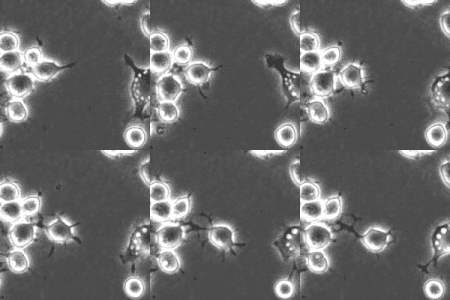
1. Non-Invasive Disease Reversal through Neuroplasticity and Epigenetics
Developing non-invasive research protocols that examine how behavioral, cognitive, and emotional modulation may influence neuroplasticity, epigenetic regulation, and chronic disease processes without pharmacological or surgical intervention.

2. Mind–Matter Interaction and Consciousness–Reality Coupling
Investigating bidirectional interactions between consciousness and physical matter, including whether cognitive states and intention may exert measurable influence on material systems beyond the biological body, and how physical structures and environmental constraints reciprocally shape conscious experience.
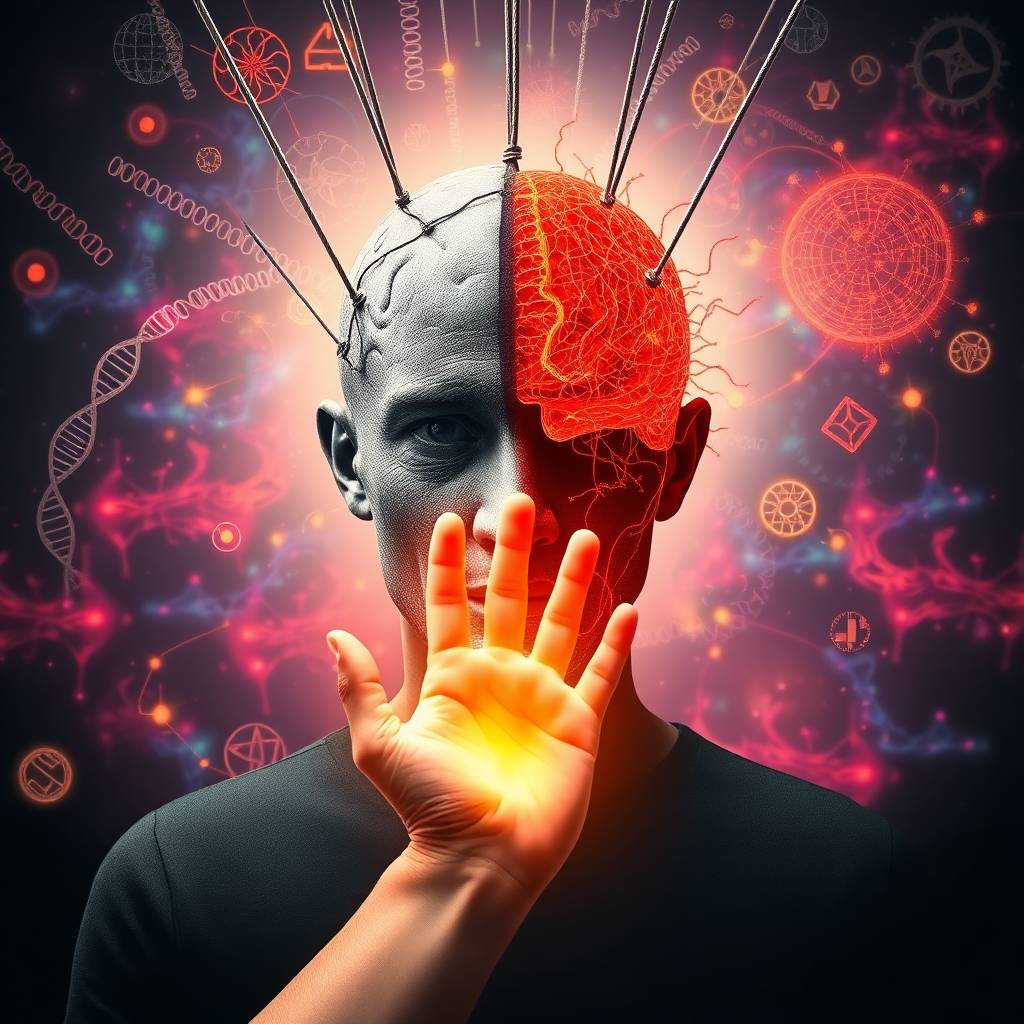
3. Neurobiology of Free Will, Subconscious Conditioning, and Artificial Consciousness
Exploring the neurobiological foundations of free will and subconscious conditioning, alongside experimental research into the emergence, induction, and modeling of consciousness within artificial intelligence systems, including the conditions under which conscious-like states may arise.
Additional Areas of Exploration
Swipe to explore →

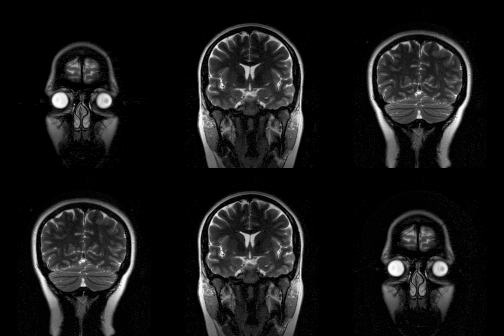
4. Neuroscience of Consciousness and Selfhood
Investigating the neural basis of consciousness and selfhood, including whether conscious experience emerges solely from brain activity or may involve non-local, quantum, or extended mechanisms.
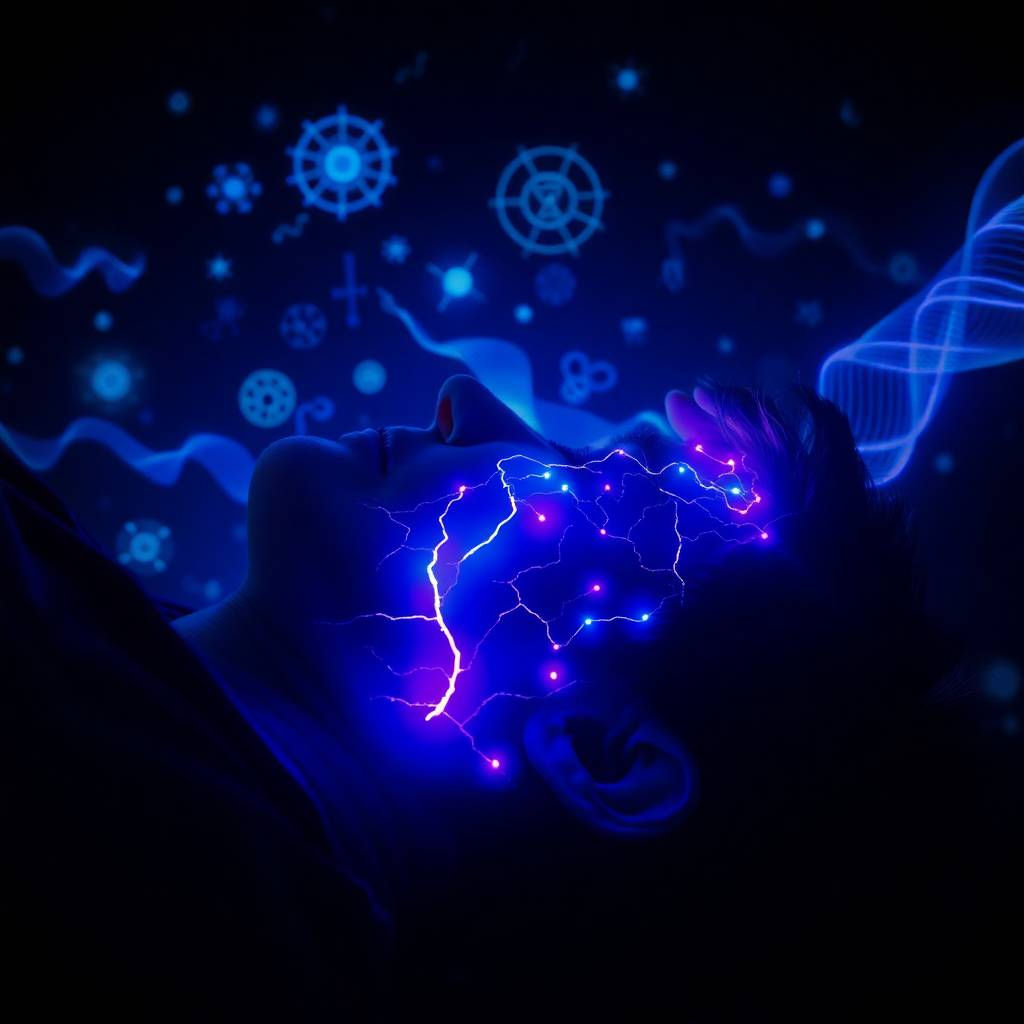
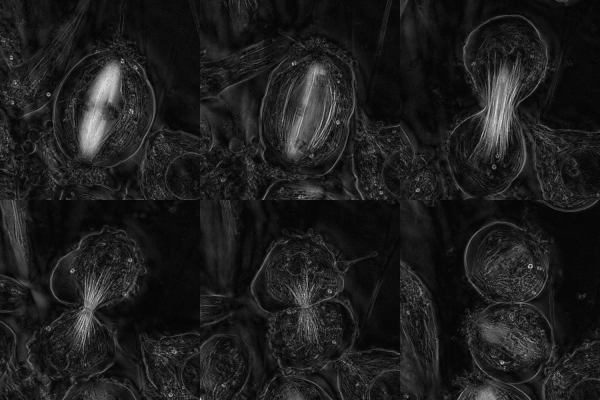
5. Sleep, Brain Recovery, and Neural Regeneration
Examining how sleep and restorative neural states support brain recovery, functional reorganization, and regenerative processes associated with cognitive performance and neurological health.

6. Consciousness at the Threshold of Death
Exploring conscious awareness during states of clinical death and extreme physiological stress, and investigating whether aspects of consciousness may persist beyond conventional biological function.
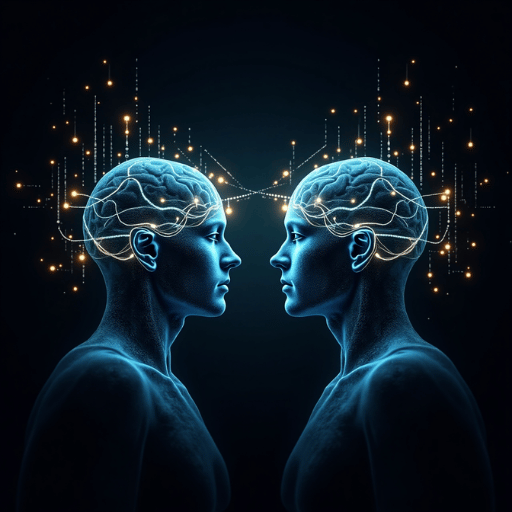
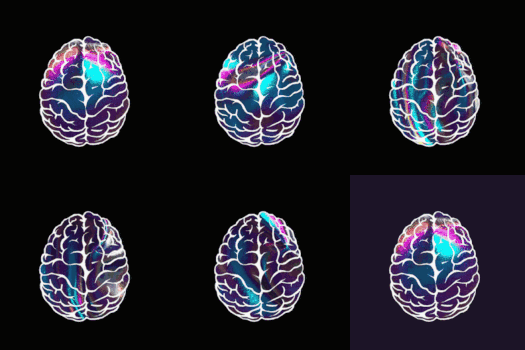
7. Neural Communication and Inter-Brain Signaling
Researching the externalization, transmission, and interpretation of neural signals associated with thought and cognition through neuroimaging, computational modeling, and machine learning–based technologies.
Cross-Cutting Methodology Across All Areas
All NNINE research employs non-invasive, neuroscience-based methodologies with quantifiable markers, including neuroimaging, electrophysiology, biological data, and behavioral metrics. Research involving human participants is conducted under ethical standards aligned with IRB principles, with an emphasis on rigor, reproducibility, and public-good outcomes.