North Node Institute of Neuroscience and Epigenetics
An Interdisciplinary Research Institute Shaping Next-Generation Medicine
Developing Non-Invasive Approaches to Disease Reversal
Investigating Brain Reprogramming and Gene Expression Regulation
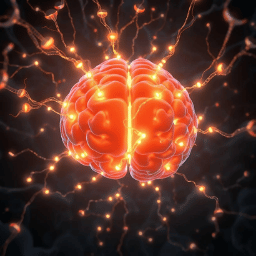
NNINE is a private, accreditation-eligible research institute dedicated to advancing rigorous, measurable research in neuroscience and epigenetics. Our mission is to develop and evaluate non-invasive neurocognitive approaches that investigate the relationship between brain plasticity, stress regulation, and targeted gene expression, contributing to the development of next-generation models of medicine.
⚠️ IMPORTANT REGULATORY DISCLOSURE
The Northnode Institute of Neuroscience & Epigenetics (NNINE) is currently in the pre-clinical phase of its research operations and is not presently conducting formal clinical trials. NNINE is actively securing all required regulatory credentials, including Institutional Review Board (IRB) approval and establishment of a HIPAA-compliant framework. Until such formal designations are finalized, all participant interactions, evaluations, and data collection are conducted exclusively as part of an ongoing pre-study pilot research project.
Participation is strictly voluntary and contingent upon:
Execution of a comprehensive Informed Consent agreement Adherence to mutual confidentiality and non-disclosure provisions Formal acknowledgment that current activities do not constitute a clinical trial or medical treatment
A Joint Research Venture
Honorary board members from
Columbia University
Harvard University
Oxford University
Honorary Board of Advisory
The Advisory Board includes distinguished professors and academic leaders from top universities and institutions.
Prof. Jane Doe
Dean, Faculty of Social Sciences, XYZ University
Prof. John Smith
Professor of Economics, ABC University
Prof. Alice Brown
Chair of Political Science, LMN University
Prof. Jane Doe
Dean, Faculty of Social Sciences, XYZ University
Prof. Jane Doe
Dean, Faculty of Social Sciences, XYZ University
Prof. Jane Doe
Dean, Faculty of Social Sciences, XYZ University
CORE AREAS OF RESEARCH
Swipe to explore →

1. Non-Invasive Disease Reversal through Neuroplasticity and Epigenetics
Developing non-invasive research protocols that examine how behavioral, cognitive, and emotional modulation may influence neuroplasticity, epigenetic regulation, and chronic disease processes without pharmacological or surgical intervention.

2. Mind–Matter Interaction and Consciousness–Reality Coupling
Investigating bidirectional interactions between consciousness and physical matter, including whether cognitive states and intention may exert measurable influence on material systems beyond the biological body, and how physical structures and environmental constraints reciprocally shape conscious experience.

3. Neurobiology of Free Will, Subconscious Conditioning, and Artificial Consciousness
Exploring the neurobiological foundations of free will and subconscious conditioning, alongside experimental research into the emergence, induction, and modeling of consciousness within artificial intelligence systems, including the conditions under which conscious-like states may arise.
Additional Areas of Exploration
Swipe to explore →

4. Neuroscience of Consciousness and Selfhood
Investigating the neural basis of consciousness and selfhood, including whether conscious experience emerges solely from brain activity or may involve non-local, quantum, or extended mechanisms.

5. Sleep, Brain Recovery, and Neural Regeneration
Examining how sleep and restorative neural states support brain recovery, functional reorganization, and regenerative processes associated with cognitive performance and neurological health.

6. Consciousness at the Threshold of Death
Exploring conscious awareness during states of clinical death and extreme physiological stress, and investigating whether aspects of consciousness may persist beyond conventional biological function.

7. Neural Communication and Inter-Brain Signaling
Researching the externalization, transmission, and interpretation of neural signals associated with thought and cognition through neuroimaging, computational modeling, and machine learning–based technologies.
Cross-Cutting Methodology Across All Areas
All NNINE research employs non-invasive, neuroscience-based methodologies with quantifiable markers, including neuroimaging, electrophysiology, biological data, and behavioral metrics. Research involving human participants is conducted under ethical standards aligned with IRB principles, with an emphasis on rigor, reproducibility, and public-good outcomes.
THE NNINE METHOD
Scientific Foundation & Active Research Outcomes
The NNINE Method is a multimodel research framework designed to examine how directed neuroplastic recalibration, emotional–physiological regulation, and cognitive state training interact to influence biological function and human performance. The protocol integrates measurable neural, biological, and behavioral markers within an active, ongoing pre-study research setting.To date, participant-reported outcomes include spontaneous remission of long-standing physical discomfort, restoration of functional mobility, marked improvements in mood regulation, cognitive clarity, and a return to baseline physiological stability in individuals with prolonged functional impairment.These early signals continue to guide refinement of the NNINE Method as structured data collection and formal evaluation progress. While research is ongoing, current findings suggest that targeted, non-invasive modulation of brain–body systems may play a significant role in restoring functional coherence across both mental and physical domains.
<
Neuroplasticity
Utilizes Hebbian learning and long-term potentiation to rewire dysfunctional brain circuits.
Target: limbic-prefrontal dysregulation, often observed in chronic stress conditions.
Cited: Doidge (2015), Lutz et al. (2004)
Epigenetic Modulation
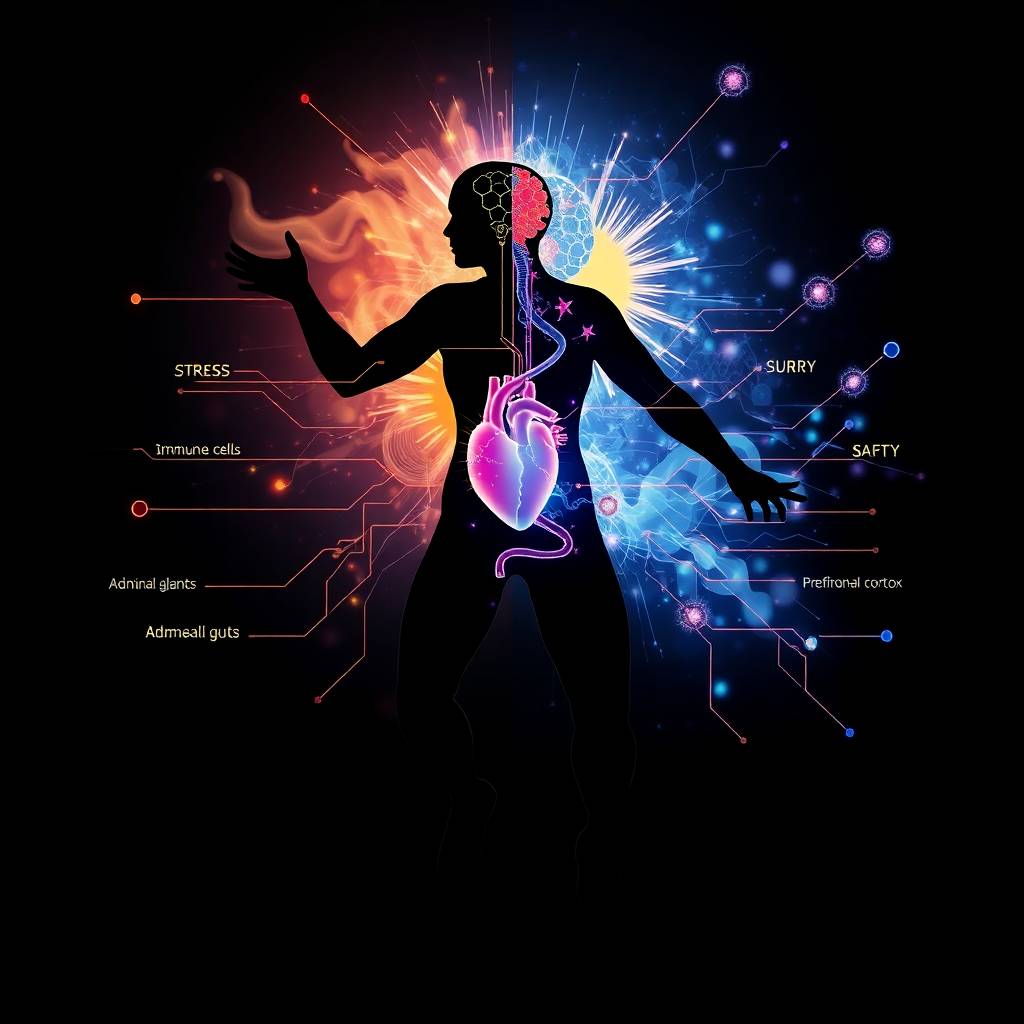
Behavioral and emotional state interventions modulate expression of genes involved in inflammation, repair, and stress response.
Cited: Szyf (2007), Lipton (2005)
Cognitive-Physiological Feedback
Internal psychological states affect immune, endocrine, and autonomic systems via top-down signaling.
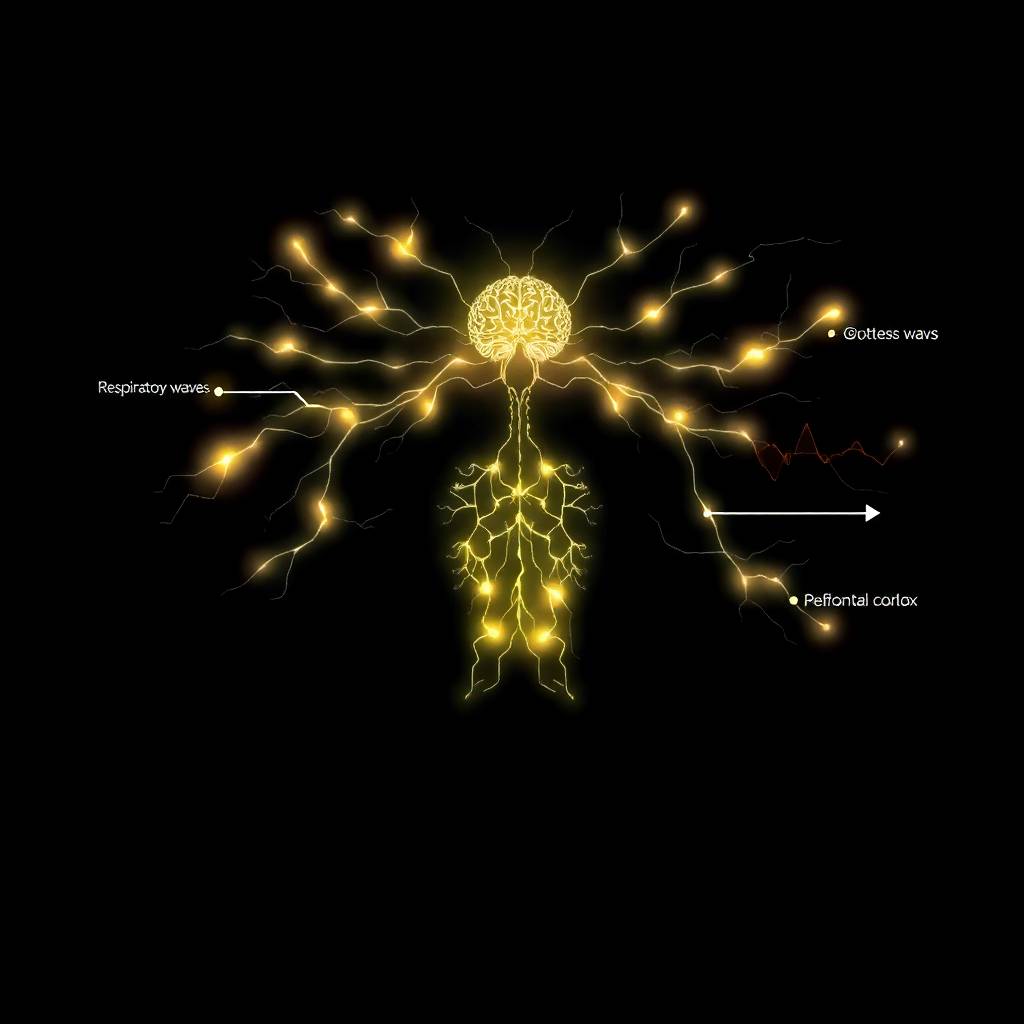
Engages ACC, PFC, insula to reduce DMN overactivity and enhance executive function.
Includes respiratory entrainment, internal state awareness, and cognitive redirection.
Visual-Neural Encoding
Simulation of a "healed identity" activates mirror neuron systems aiding integrative recovery.
Cited: Ramachandran (2005)
NNINE RESEARCH PROTOCOL STRUCTURE
Active Pilot Framework for Neuroplastic and Epigenetic Recalibration
←→
PHASE 1: Medical & Biological Profiling
Participant submits:
Full medical history
Bloodwork and hormone/genetic panels (required)
Case is reviewed by NNINE’s clinical research team to determine eligibility, safety parameters, and protocol suitability.
PHASE 2: Initial Evaluation by Principal Investigator
Participant books and pays for an evaluation.
PI conducts:
Emotional, behavioral, and neurocognitive profiling
Assessment of stress response, trauma history, and cognitive flexibility
Clinical notes prepared for board presentation.
Identification of dominant neurocognitive and autonomic dysregulation patterns
PHASE 3: Scientific Advisory Board Review
PI presents anonymized case data to NNINE’s Scientific Advisory Board.
Multidisciplinary review assesses biological plausibility, risk profile, and protocol alignment.
Approved cases proceed to individualized protocol calibration.
Participant pays remaining program fee
Anonymized use of clinical data for research
PHASE 4: Baseline Neuroimaging (fMRI #1)
Participant books three fMRI sessions at their local neuroimaging center.
First fMRI: Resting-state scan (pre-intervention) to map default neural activity.
A neural-biological baseline is constructed by the NNINE research team.
This baseline is used to track functional coherence, network regulation, and adaptive change across the program.
LEVEL 1: Regulation & Neural Stabilization
Daily structured protocol focused on nervous system stabilization and signal regulation.
Training emphasizes autonomic downregulation, interoceptive awareness, and baseline coherence.
Physiological state tracking and protocol responsiveness monitoring are initiated.
Regular check-ins ensure safety, compliance, and early adaptive shifts.
Emotional reconditioning tasks
LEVEL 2: Focused Cognitive Training & Midpoint Evaluation
Participant undergoes targeted attention and executive-control training.
Second neuroimaging session may be conducted during active protocol engagement.
Neural activity is compared against baseline, and protocol parameters are refined to optimize signal efficiency, cognitive control, and autonomic balance.
Participant applies stabilized attention and regulatory capacity toward targeted functional objectives identified earlier in the program.
Training emphasizes intentional modulation of cognitive–emotional states under controlled conditions.
Protocols are designed to disrupt entrenched maladaptive patterns and reinforce adaptive neural responses.
Ongoing monitoring ensures changes are integrated without destabilization and remain within safe adaptive ranges.
LEVEL 4: Neural Identity Coding & Stabilization
Participant engages in advanced identity-level integration protocols.
This procedure activates the mirror neuron system, insular cortex, and frontoparietal integration networks to re-pattern the brain's internal representation of self.
Neural systems involved in embodiment, intention, and self-referential processing are engaged to support durable functional reorganization.
LEVEL 5: Final Neuroimaging & Program Discharge
Final neuroimaging session assesses durability of neural reorganization and system-level coherence.
Follow-up blood test or gene panel to assess physiological shifts
Principal Investigator conducts comprehensive final evaluation.
Participant receives individualized long-term neural maintenance guidance and relapse-prevention strategies.
Custom long-term neural maintenance tools
Novelty & Intellectual Property Notice
The NNINE Research Protocol is a novel, neuroscience-driven framework currently being evaluated within an active pilot program. While grounded in established scientific principles, the protocol’s structure and applied methodologies are internally developed and unique to NNINE. Specific operational details are intentionally not disclosed, as core components are protected as proprietary research architecture and trade secrets under NNINE ownership.
Пин Ап Казино Официальный Сайт - Играть в Онлайн Казино Pin Up ▶️ ИГРАТЬ Содержимое Преимущества Игры в Онлайн Казино Pin Up Как Зарегистрироваться и Начать Играть в Pin Up...
Пин Ап Казино Официальный сайт | Pin Up Casino играть онлайн - Вход, Зеркало ▶️ ИГРАТЬ Содержимое Pin Up Casino - Официальный Сайт для Игроков Преимущества Официального Сайта Pin Up...
UP-X онлайн казино - акции и промокоды ▶️ ИГРАТЬ Содержимое UP-X Онлайн Казино: Акции и Промокоды Акции и Промокоды UP-X Акции и Спецпредложения Промокоды и Бонусы для Новобранцев Как Получить...